Introduction
Wall art is more than decoration — it is the visual identity of a space. The right artwork can elevate a simple room into a luxurious interior, create emotional warmth, and reflect the homeowner’s personality. Whether designing a home, office, studio, or commercial space, understanding different types of wall art helps you make confident and informed decisions.
In today’s design world, wall art is not limited to framed paintings. It includes canvas works, textured art, abstract compositions, minimalist designs, metal art, mixed media, and more. Each type has its own visual impact, emotional tone, and interior compatibility.
This guide explores the most important categories of wall art in detail.
Canvas Art: Timeless Elegance and Versatility
Canvas art remains one of the most preferred forms of wall décor. It is created on stretched cotton or linen fabric and can be either hand-painted or high-quality printed.
Why Canvas Art Is Popular
- Lightweight and easy to hang
- Durable and long-lasting
- Suitable for modern and traditional interiors
- Offers a gallery-style aesthetic
Canvas art works beautifully in:
- Living rooms above sofas
- Bedrooms above beds
- Office cabins
- Hotel lobbies
Types of Canvas Art
- Single large statement canvas
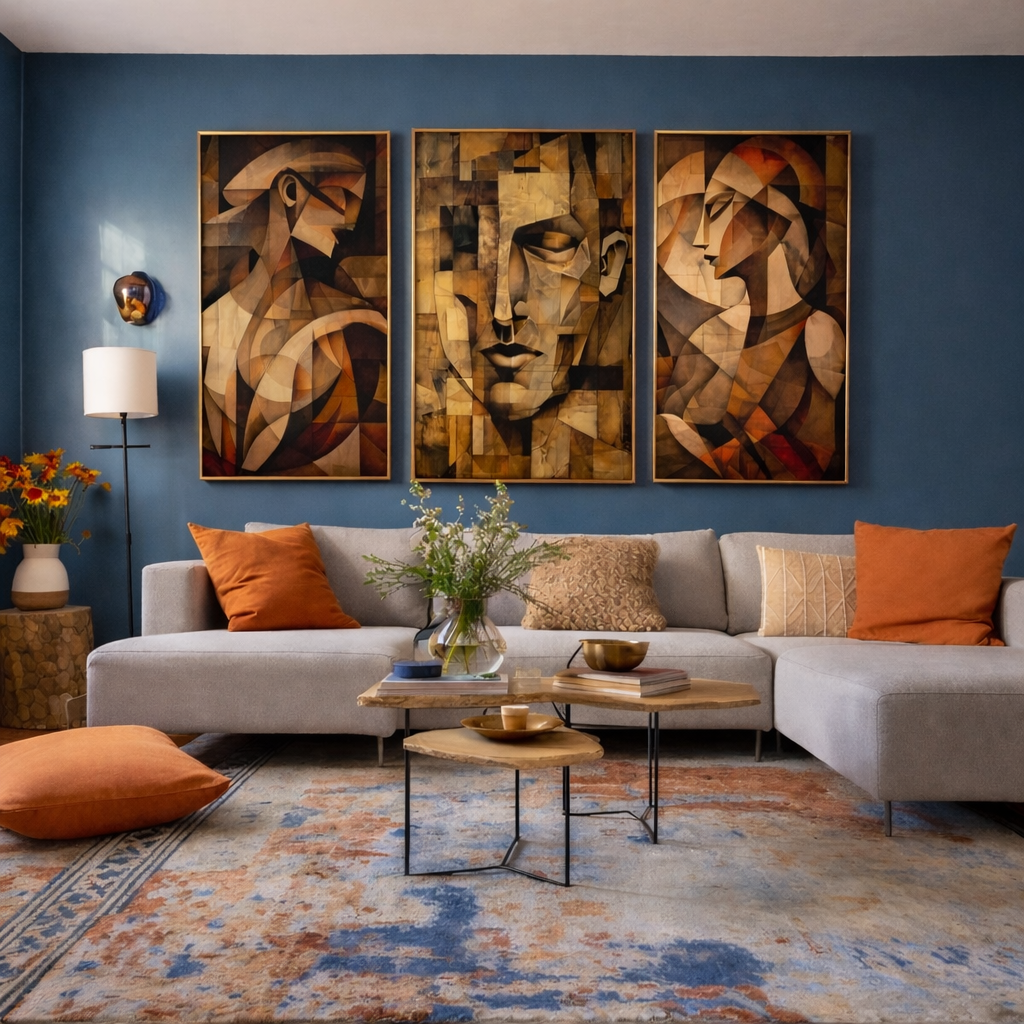
- Multi-panel (diptych or triptych) canvas
- Framed canvas with floating frame
- Edge-wrapped canvas (modern clean finish)
A large canvas piece can become the focal point of a room, while smaller canvases can complement décor without overwhelming the space.
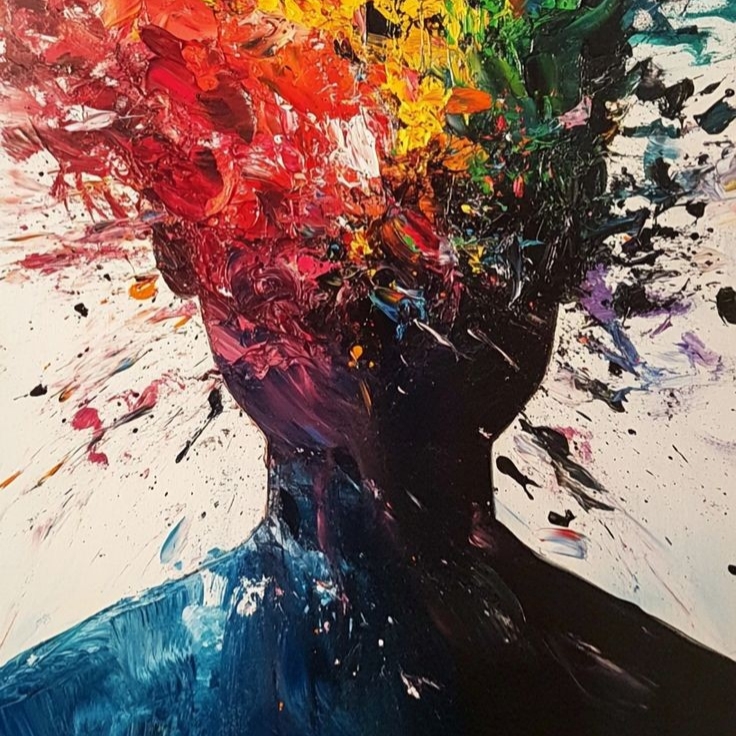
Abstract Art: Expression Beyond Reality
Abstract art focuses on emotion rather than realistic representation. It uses color combinations, brush strokes, geometry, and texture to communicate feeling rather than form.
Why Choose Abstract Art?
- Encourages interpretation
- Adds sophistication
- Works well in contemporary spaces
- Creates conversation
Abstract art is ideal for:
- Modern apartments
- Creative offices
- Luxury interiors
- Minimalist homes
Emotional Impact of Abstract Art
Unlike traditional paintings that show landscapes or portraits, abstract art allows viewers to experience personal meaning. Two people may interpret the same piece differently, which makes it powerful and dynamic.
Textured Art: Depth, Dimension, and Luxury
Textured art has become extremely popular in premium interior design. It involves layering paint, plaster, or mixed materials to create raised surfaces and 3D effects.
Why Textured Art Stands Out
- Creates physical depth
- Reflects light beautifully
- Adds richness to neutral walls
- Feels handcrafted and exclusive
It is commonly used in:
- High-end living rooms
- Luxury bedrooms
- Reception areas
- Feature walls
Textured art pairs exceptionally well with neutral color palettes such as beige, off-white, grey, and metallic tones.
Minimalist Art: Simplicity with Impact
Minimalist art focuses on clean lines, limited color palettes, and subtle compositions. It proves that simplicity can be powerful.
Key Features of Minimalist Art
- Neutral colors
- Open space within the composition
- Subtle design elements
- Balanced symmetry
It is perfect for:
- Scandinavian interiors
- Small apartments
- Calm bedrooms
- Corporate environments
Minimalist art creates breathing space and avoids visual clutter, making it ideal for modern lifestyles.
Metal Wall Art: Contemporary and Industrial Appeal
Metal wall art introduces a sleek and bold look. It is often laser-cut or sculpted into geometric or abstract forms.
Benefits of Metal Art
- Highly durable
- Modern aesthetic
- Works well with industrial décor
- Reflective surfaces enhance lighting
Best suited for:
- Office spaces
- Contemporary living rooms
- Restaurants and cafes
Metal art creates strong visual contrast, especially against matte walls.
Mixed Media Art: Innovation and Creativity
Mixed media art combines different materials such as fabric, metal, paper, resin, or acrylic to create unique compositions.
Why It’s Trending
- Highly creative
- One-of-a-kind results
- Strong artistic statement
- Appeals to modern collectors
Mixed media art often becomes the centerpiece of contemporary interiors.
How to Choose the Right Type for Your Space
When selecting wall art, consider:
- Room size
- Lighting conditions
- Wall color
- Furniture style
- Desired mood
For example:
- Neutral furniture pairs well with textured or metallic art.
- Bold interiors work well with minimalist pieces.
- Large empty walls require oversized artwork.
The Psychological Influence of Art Type
Different styles create different atmospheres:
- Abstract → Creative and expressive
- Minimalist → Calm and structured
- Textured → Luxurious and warm
- Metal → Bold and modern
- Traditional → Cultural and emotional
Understanding this psychological effect ensures your space communicates the right energy.
Conclusion
Wall art is not simply decoration — it defines character, enhances interior value, and creates emotional impact. Whether you prefer canvas, abstract, textured, minimalist, metal, or mixed media art, the key is alignment between artwork and environment.
Choosing the right type of wall art transforms walls into statements and spaces into experiences.