Introduction
Art has always been deeply connected to human emotion. Long before modern psychology existed, people used visual expression to process fear, love, grief, hope, and celebration. Today, scientific research supports what artists have always known — art influences mental well-being.
Art is not only something we see. It is something we feel. It has the power to calm the mind, inspire creativity, reduce stress, and provide emotional release.
Art as Emotional Expression
Human beings naturally seek ways to express emotions. When words are not enough, art becomes the language.
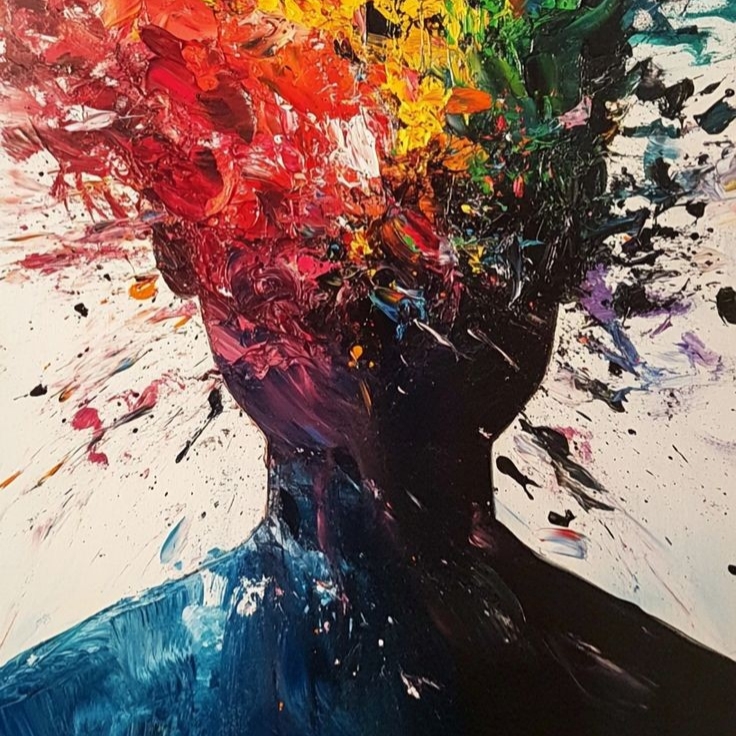
Artists often channel personal experiences into their work. Through color, texture, and form, emotions are expressed visually. This is why viewers often feel connected to a piece of art even without fully understanding it.
Art communicates beyond language barriers.
The Psychological Impact of Colors
Different colors trigger different emotional responses.
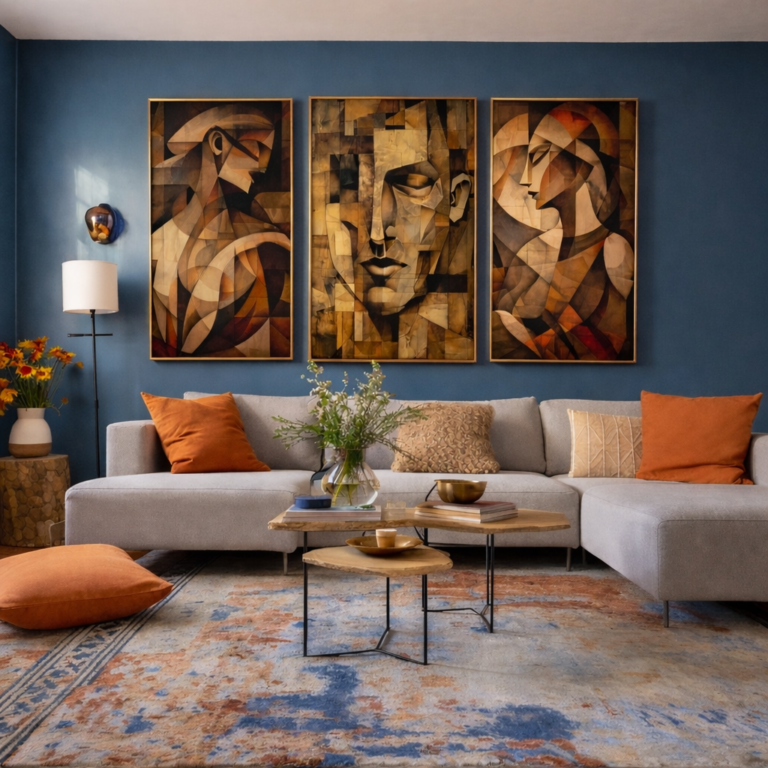
Blue often creates calmness and stability.
Red stimulates energy and passion.
Yellow can evoke optimism and warmth.
Neutral tones create balance and mental clarity.
Artists consciously use color psychology to shape emotional reactions. Viewers respond instinctively.
Art as Stress Relief
Engaging with art — whether creating it or observing it — can reduce stress levels.
Creative expression allows:
- Release of suppressed emotions
- Relaxation of the nervous system
- Improved focus
- Mindfulness
This is why art therapy is widely used in mental health practices. Painting, drawing, or even viewing meaningful artwork can help regulate emotions.
Art and Identity
Art helps individuals understand themselves.
The type of artwork a person creates or prefers often reflects:
- Personal experiences
- Cultural background
- Emotional tendencies
- Aspirations
Collecting art becomes a reflection of identity. It tells a silent story about who someone is.
Creativity and Brain Stimulation
Art stimulates both the logical and emotional parts of the brain.
It encourages:
- Imagination
- Problem-solving
- Innovative thinking
- Cognitive flexibility
In both children and adults, exposure to art enhances creativity and mental adaptability.
Art as Cultural Healing
Throughout history, art has played a role in healing communities during difficult times.
During wars, revolutions, and social change, artists documented struggles and inspired hope. Art became a medium of resistance, unity, and resilience.
Even today, public murals and cultural artwork strengthen community identity.
Art and Long-Term Emotional Value
Unlike temporary entertainment, art can remain meaningful for years.
A painting purchased during an important life phase may carry emotional significance long after trends change. It becomes a memory preserved in visual form.
This emotional durability makes art powerful.
The Silent Conversation Between Art and Viewer
Every artwork creates a silent dialogue. The viewer brings personal experiences, and the artwork offers interpretation. This interaction is unique for each individual.
Two people can see the same painting and feel completely different emotions. That subjectivity is what makes art deeply human.
Conclusion
Art is not merely visual decoration or aesthetic pleasure. It is a psychological tool, an emotional outlet, and a reflection of identity. It shapes mood, supports mental well-being, stimulates creativity, and connects people across cultures.
In a fast-moving world, art remains a quiet but powerful force that nurtures the human mind and soul.