Introduction
Art is one of the oldest forms of human communication. Long before written language existed, humans expressed emotions, beliefs, rituals, and stories through visual symbols. Over thousands of years, art has transformed dramatically — from cave walls to contemporary gallery installations — yet its purpose remains the same: expression of human experience.
Understanding the evolution of art allows collectors and buyers to appreciate modern artwork not just as decoration, but as part of a rich cultural journey.
Prehistoric and Ancient Art
The earliest artworks date back more than 30,000 years. Primitive cave paintings depicted animals, hunting scenes, and spiritual symbols. These were not created for aesthetic pleasure; they had ritualistic and survival significance.
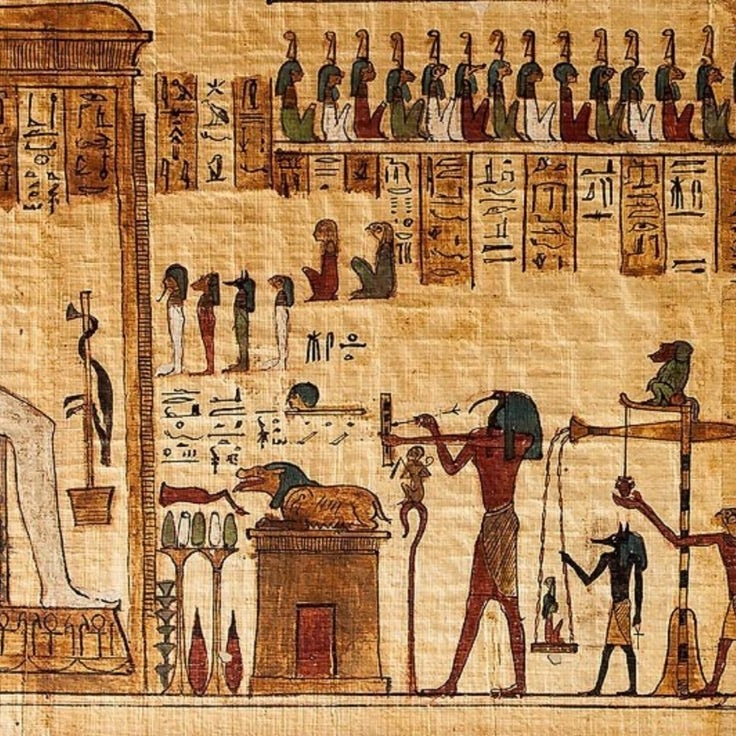
As civilizations developed, art became more structured and symbolic. Egyptian art focused on gods, afterlife beliefs, and royal authority. Greek and Roman art introduced proportion, balance, and realistic human anatomy. Sculptures and frescoes reflected political power and mythology.
Ancient art established three foundations:
- Storytelling
- Symbolism
- Cultural identity
These foundations continue to influence modern artistic practice.
The Renaissance: Realism and Mastery
The Renaissance period marked a revolutionary shift in artistic thinking. Artists began studying anatomy, light, perspective, and proportion to create lifelike representations.
This era emphasized:
- Scientific understanding of form
- Emotional expression
- Technical mastery
Art became intellectual as well as aesthetic. Paintings began to reflect deeper human psychology.
The Modern Era: Breaking Traditions
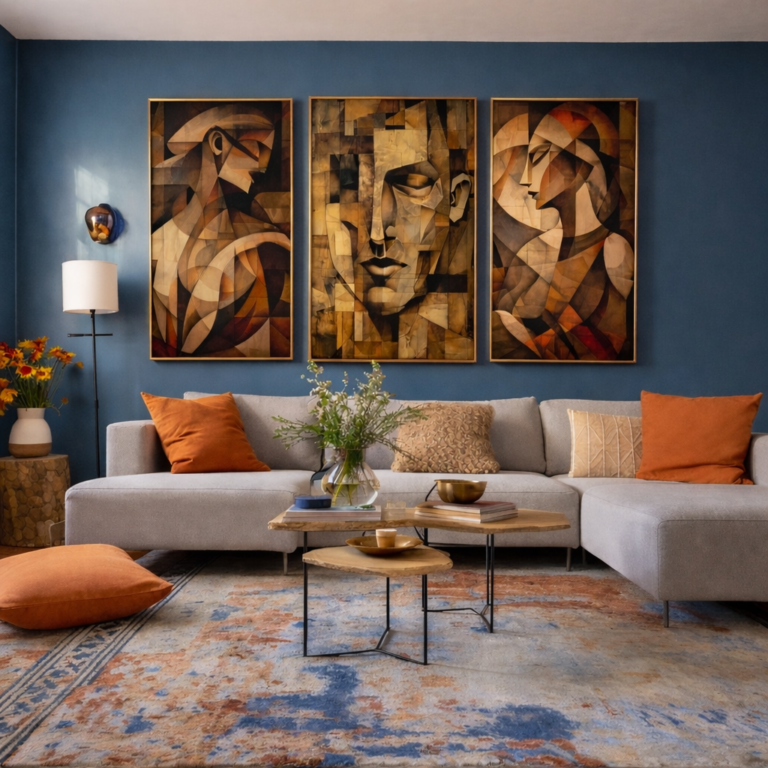
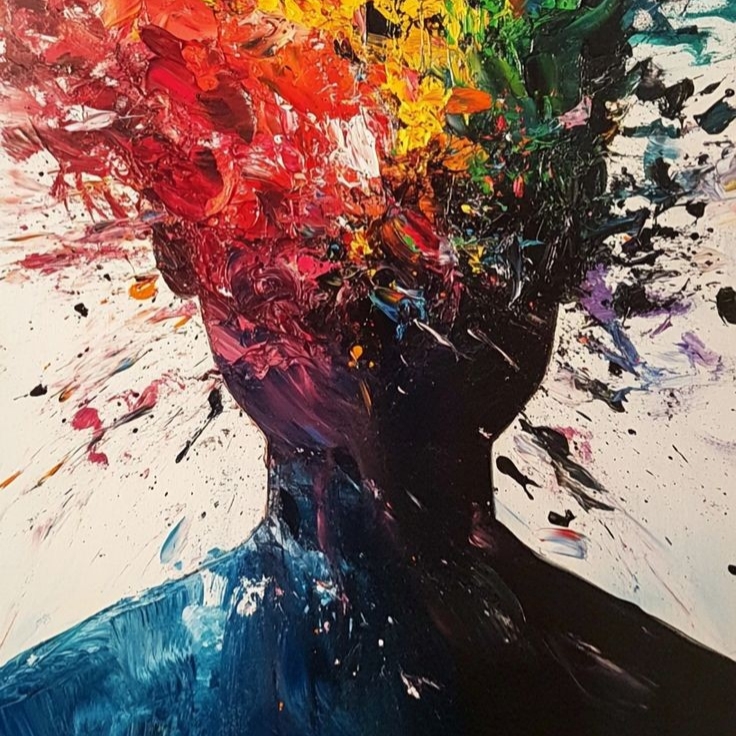
By the 19th and 20th centuries, artists began challenging classical rules. Movements such as Impressionism, Cubism, and Abstract Expressionism focused less on realism and more on emotion and experimentation.
Modern art introduced:
- Freedom of interpretation
- Bold color experimentation
- Abstract forms
- Concept-driven works
Today’s wall art — especially abstract and textured pieces — draws inspiration from this period of innovation.
Conclusion
From ancient caves to modern interiors, art has evolved continuously. When you place a contemporary artwork in your home, you participate in this centuries-long creative evolution. Art is not just decoration; it is a reflection of human history and emotion.